Durga Puja 2026: History
- putul
- No Comments
Durga Puja is one of the most popular Hindu festivals celebrated with great devotion and happiness in India. This festival is dedicated to Maa Durga, who represents strength, courage, and the victory of good over evil. Durga Puja is especially famous in West Bengal, where people celebrate it with beautiful pandals, traditional music, cultural programs, and delicious food.
The Durga Puja festival brings families and communities together. People wear new clothes, visit decorated pandals, offer prayers to Maa Durga, and enjoy the festive atmosphere. In this blog, we will explore the history, significance, rituals, and celebration of Durga Puja.
What Is Durga Puja?
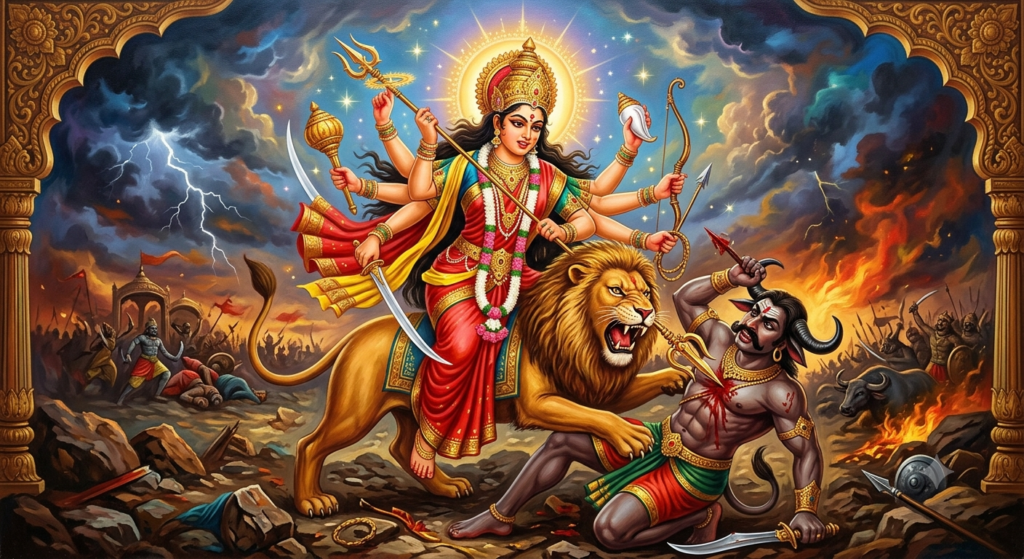
Durga Puja is a Hindu religious festival dedicated to Goddess Durga. According to Hindu beliefs, Maa Durga fought and defeated the demon Mahishasura, symbolizing the victory of good over evil.
The festival is celebrated over several days, especially during Navratri and the autumn season. The main celebrations generally include Shashthi, Saptami, Ashtami, Navami, and Vijayadashami, although traditions may vary by region.
For many devotees, Durga Puja is not only a religious festival but also a time for family gatherings, cultural activities, and community celebrations.
History and Significance of Durga Puja
The history of Durga Puja is connected with Hindu mythology and the story of Maa Durga and Mahishasura.
According to the traditional story, Mahishasura received a boon that made him extremely powerful. When he began troubling the gods, Goddess Durga was created with divine powers to defeat him. After a fierce battle, Maa Durga defeated Mahishasura.
This story teaches an important lesson: truth, courage, and goodness can overcome evil.
Why Is Durga Puja Celebrated?
Durga Puja is celebrated for several reasons:
To worship Maa Durga and seek her blessings.
To celebrate the victory of good over evil.
To promote courage, strength, and positive values.
To bring families and communities together.
To preserve traditional art, music, dance, and culture.
How Is Durga Puja Celebrated in India?
Durga Puja is celebrated in different ways across India. West Bengal is particularly well known for its grand celebrations, especially in Kolkata.
1. Beautiful Durga Puja Pandals
One of the biggest attractions of Durga Puja is the beautifully decorated pandals. Artists create unique designs using different themes, colours, lights, and materials.
People visit these pandals with their families and friends to see the decorations and offer prayers to Maa Durga.
2. Traditional Puja Rituals
Devotees perform prayers and rituals to worship Goddess Durga. Pushpanjali, the offering of flowers during prayers, is an important tradition for many devotees.
Many communities also organize devotional songs, aarti, and other religious activities during the festival.
3. Dhunuchi Dance and Dhak Music
Traditional dhak music creates a special atmosphere during Durga Puja. Dhunuchi dance, performed with a traditional incense burner, is another popular cultural activity, particularly in Bengal.
These traditions make the festival lively and memorable.
4. Traditional Clothes and Delicious Food
People often wear traditional outfits such as sarees, kurtas, and other festive clothes. Families and friends meet, take photographs, and enjoy different Bengali dishes and sweets.
Food stalls and community events are also common in many celebration areas.
5. Sindoor Khela and Visarjan
Sindoor Khela is a traditional ritual associated with Vijayadashami in many Bengali communities. Its customs and participation may vary.
On Vijayadashami, devotees bid farewell to Maa Durga, and many communities perform idol immersion, known as visarjan. The occasion represents the end of the festival and the hope of welcoming Maa Durga again next year.
Important Days of Durga Puja
The main days of Durga Puja have special religious and cultural significance.
Shashthi
Shashthi marks an important beginning of the main Durga Puja celebrations in many Bengali traditions.
Saptami
Religious rituals and prayers take place, and devotees visit pandals to worship Maa Durga.
Ashtami
Maha Ashtami is one of the most significant days. Many devotees offer pushpanjali and participate in special prayers.
Navami
Maha Navami is another important day of worship, with prayers and community celebrations.
Vijayadashami
Vijayadashami marks the conclusion of the main festival. In many communities, it is associated with Maa Durga’s victory and the farewell to the goddess.
Durga Puja 2026: Why Is It Special?
Durga Puja 2026 will be an opportunity for devotees to celebrate faith, culture, and togetherness. People can enjoy traditional rituals, artistic pandals, cultural performances, and family gatherings.
The exact dates of the main celebrations should be checked against a reliable local Hindu calendar because festival dates and observances can depend on the lunar calendar and regional traditions.
Visitors planning to attend celebrations in Kolkata or other cities should check local event schedules and travel arrangements in advance.
Best Ways to Enjoy Durga Puja
Here are some simple ways to enjoy the festival:
Visit local pandals with family and friends.
Learn about the history and traditions of Maa Durga.
Enjoy traditional music and cultural performances.
Respect religious customs and local guidelines.
Keep public spaces clean and avoid unnecessary waste.
Take photographs respectfully, especially during religious rituals.
Frequently Asked Questions About Durga Puja
1. Why is Durga Puja celebrated?
Durga Puja is celebrated to worship Maa Durga and remember her victory over Mahishasura, which symbolizes the victory of good over evil.
2. Where is Durga Puja most famous?
Durga Puja is especially famous in West Bengal, particularly Kolkata. It is also celebrated in other Indian states and by Bengali communities around the world.
3. How many days is Durga Puja celebrated?
The main celebrations commonly span five days, from Shashthi to Vijayadashami, although the wider religious observance and local customs can cover a longer period.
4. What is the importance of Maha Ashtami?
Maha Ashtami is one of the most important days of Durga Puja. Devotees participate in prayers, offer flowers, and seek the blessings of Maa Durga.
5. What is Durga Puja visarjan?
Visarjan is the traditional immersion of the Durga idol at the conclusion of the festival in communities that follow this practice. It symbolizes bidding farewell to the goddess.
Conclusion
Durga Puja is a festival of devotion, courage, culture, and togetherness. From beautiful pandals and traditional rituals to music, dance, and family gatherings, every part of the celebration has its own importance.
The festival reminds us that goodness and courage can overcome evil. By understanding the traditions and significance of Durga Puja, we can appreciate its cultural and spiritual value even more.
May Maa Durga bless everyone with happiness, peace, strength, and prosperity!